Empowering Young Women Through Menstrual Health and Skills Development
In many refugee settings, women and adolescent girls face significant challenges accessing adequate menstrual hygiene products due to financial constraints and limited availability. These challenges go beyond personal hygiene, often affecting their education, daily activities, dignity, health, and overall well-being.
For many girls, the lack of sanitary pads means missing school during menstruation, while others are forced to abandon important social, educational, and livelihood activities simply because they cannot afford to purchase menstrual hygiene products.
Even more concerning, some women and girls may find themselves exposed to sexual exploitation and other protection risks, including transactional sex, as they seek financial assistance to purchase sanitary pads. Such situations can expose them to sexually transmitted infections (STIs), unintended pregnancies, gender-based violence, and other serious health and protection consequences.
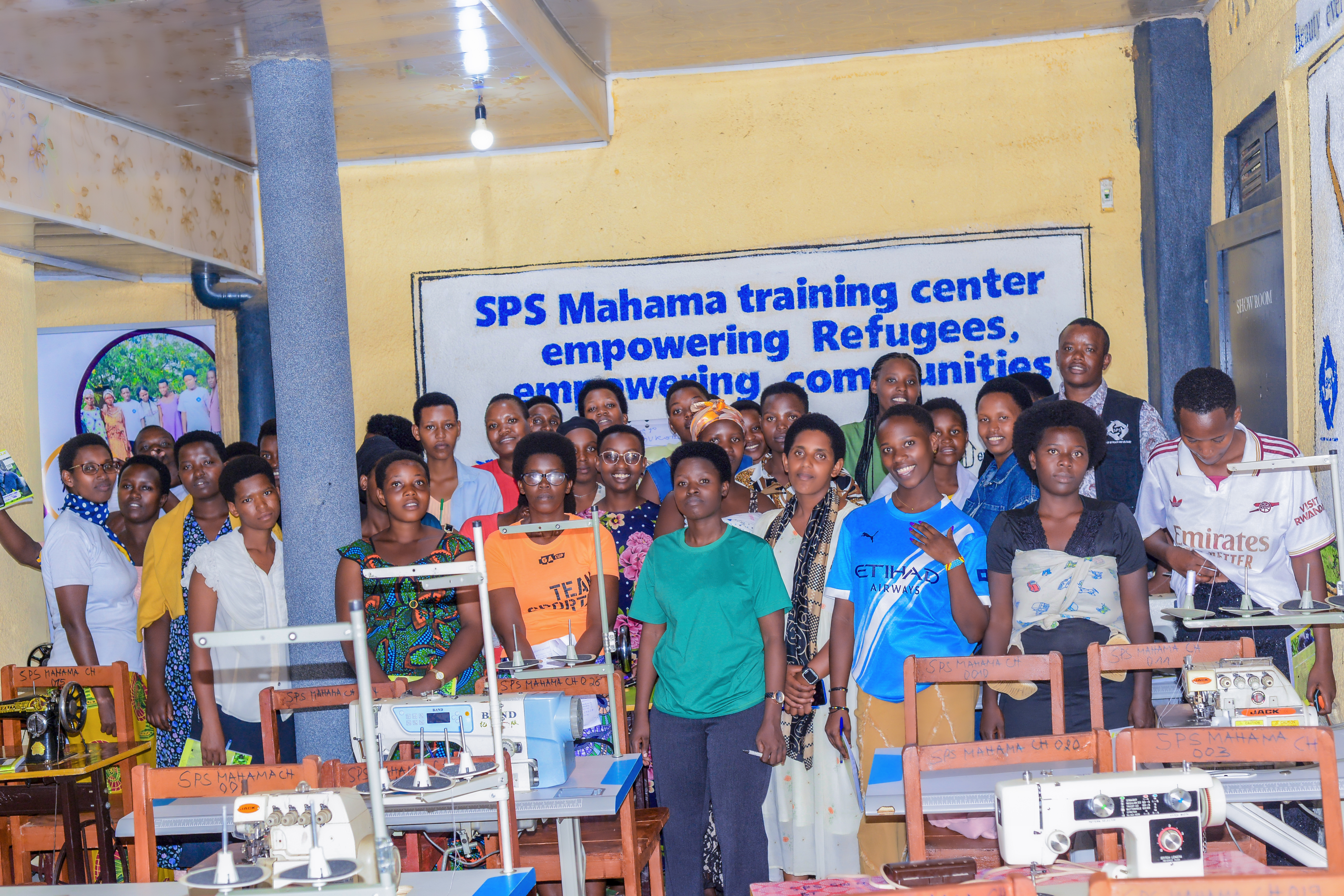
Recognizing these challenges within Mahama Refugee Camp, Spirit of Peace and Solidarity (SPS) has taken action to promote sustainable, community-driven solutions. Today, SPS officially launched the first cohort of its reusable sanitary pad production training initiative, designed to equip women and young girls with practical skills to produce washable, reusable sanitary pads that can last up to two years when properly maintained.
Beyond improving access to menstrual hygiene products, this initiative seeks to reduce the financial burden associated with purchasing disposable pads, promote menstrual health and dignity, protect girls' right to education, and create opportunities for women to develop practical skills and become more self-reliant.
At SPS, we believe that no girl should miss school, no woman should compromise her dignity, and no young person should be exposed to protection risks simply because they cannot afford menstrual hygiene products.
Menstrual health is not a privilege; it is a matter of dignity, equality, health, and human rights.
Through community engagement and refugee-led solutions, SPS remains committed to ensuring that women and girls are not only beneficiaries of interventions but also active participants in identifying challenges and shaping solutions that transform their lives.